The cold truth about our warming grid
In Britain, we have a long-standing cultural contract with the sun. It is a strictly limited engagement, usually involving a mad rush on burgers and paddling pools, overflowing beer gardens and our trademark complaining about the heat.
For decades, our homes, infrastructure and even our energy system have reflected that relationship. We are a country designed to keep heat in, not out.
Yet as 40°C temperatures shift from once-in-a-generation anomalies towards something that looks increasingly normal, an uncomfortable question is emerging: what happens when a nation built for winter suddenly has to cope with summer?
AC/DC: Air Conditioning, Demand Crisis
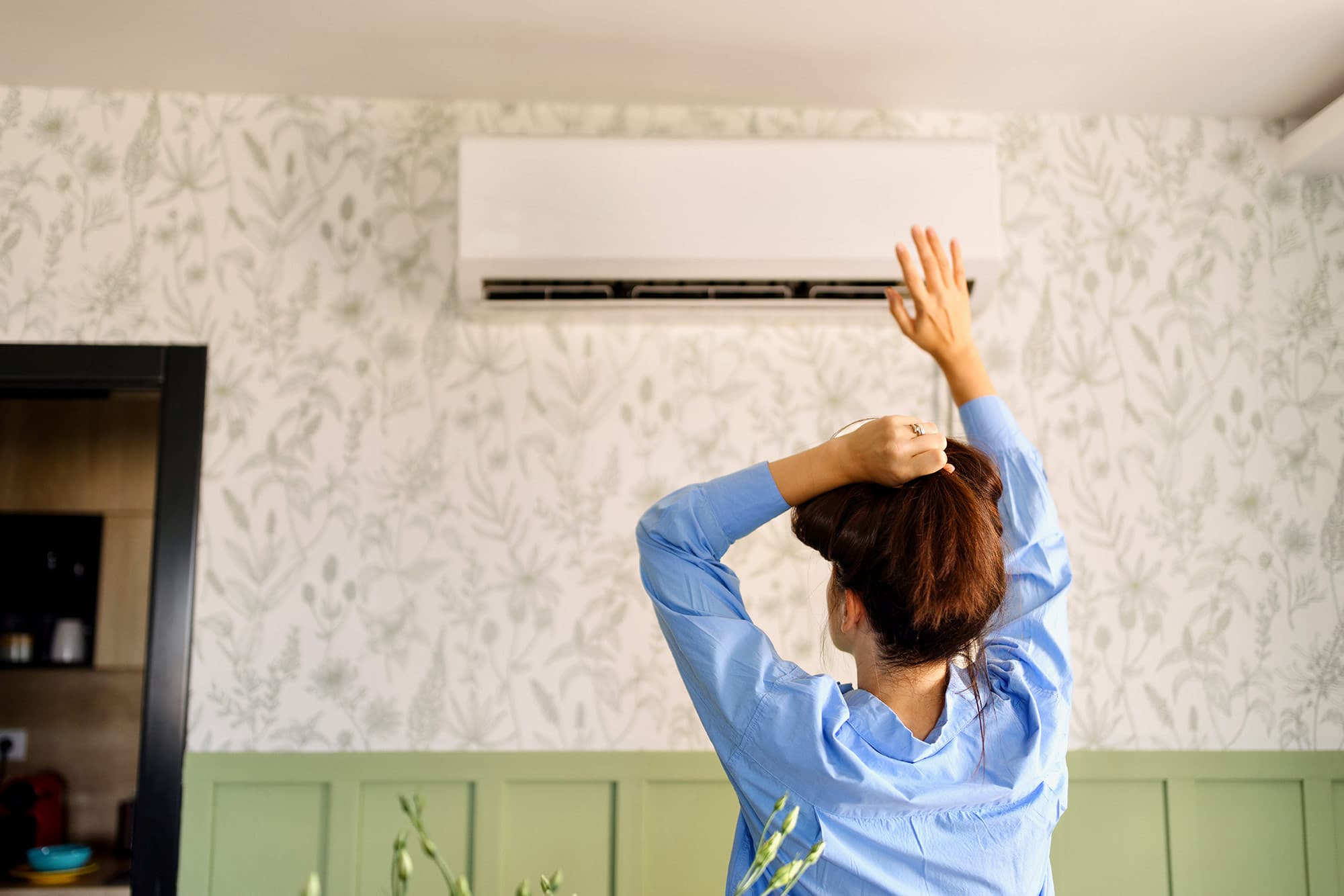
The energy transition has been a hot topic for years. Electrification = decarbonisation is a mantra I have repeated many times, and there is a broad understanding that transport and heat must be electrified if we stand a chance of achieving net zero 2050. What comes with that increase in demand is infrastructure that can meet the needs of the electrified nation. But what receives far less attention is that climate change is introducing an entirely new energy behaviour into British life. Not a cleaner version of something we already do, but something many households have never needed before: cooling.
The numbers are sobering. For every single degree the mercury rises above 20°C, the demand on our electricity grid spikes by approximately 350 megawatts. During the European heatwave of 2025, daily power demand surged by up to 14%, and average daily power prices doubled or tripled in some regions as grids struggled to keep pace. National Grid now warns that peak demand from air conditioning could triple over the next decade. When you combine this with the systemic push toward electrification, the demand curve stops looking like a slope and starts looking like a cliff.
“But what about solar?” I hear you cry. It feels intuitive – the sun provides the heat, and the sun provides the power to fight it. The problem is, in reality solar generation peaks at noon, but the demand for home cooling typically doesn’t ramp up until the early evening, when families return home and the heat trapped in our buildings becomes unbearable. This is precisely the same window when people are plugging in their electric cars. Without a massive, rapid deployment of battery storage, renewables don’t solve our cooling predicament; they simply highlight the timing gap. We are currently competing for limited renewable electricity at the exact moments when the system is under the most stress.
It’s a runaway system. Currently, the UK’s electricity generation is still c. 50% reliant on fossil fuels. When the sun beats down and millions of AC units flick on simultaneously, we find ourselves in the absurd position of restarting gas-fired power plants just to keep the air conditioners running. So, we are quite literally burning the planet to stay cool today, ensuring it gets even hotter tomorrow.
Energy Inequality, Not Just for Christmas
Air conditioning in the UK still sits in a strange place. It is not yet a mass-market utility in the way it is in southern Europe or the US, but it is no longer a novelty either. It is beginning to appear in pockets of the housing stock where people can afford to act early, in newer builds, in higher-income households, in rented spaces where landlords are investing in comfort as a selling point. This is a familiar pattern we have seen before in the energy transition – early access for those with capital, delayed access for everyone else, and a system where the benefits of new technology are not evenly distributed from the start.
The comparison with electric vehicles is not exact, but it is instructive. Those who can afford to adopt early tend to benefit first from lower running costs and greater control, while those who cannot are left more exposed to volatility in prices and conditions. Cooling is heading in a similar direction, except the stakes are arguably more immediate. A warm home in winter can be managed in layers. A home that overheats in summer offers far fewer options, particularly for older people, young children, or those with underlying health conditions.
This is where the inequality becomes physical rather than financial. In top-floor flats, poorly ventilated terraces, and dense urban heat islands, indoor temperatures can remain high long after outdoor temperatures have dropped. For households without the means to install cooling, or even the ability to modify their homes, there is no real escape valve. At the same time, these are often the same households already facing higher energy burden in winter and least able to invest in longer-term improvements. Fuel poverty then cuts across the year, not just the coldest months.
We tend to frame the “just transition” around jobs, skills and the move away from fossil fuels, but heat is forcing a second conversation that sits alongside it. A just cooling transition is becoming just as relevant, not because it introduces a new fairness debate, but because it exposes the same one in a different form. Health impacts are already emerging in the data, with overheating linked to excess deaths in summer months, particularly among older populations. As heatwaves become more frequent, this stops being a comfort issue and becomes a public health and affordability issue at the same time. What makes this harder politically is that cooling is still framed as optional. Something you choose if you can afford it, rather than a baseline expectation of modern housing. But climate change is shifting that assumption whether policy catches up or not. The question is not whether demand for cooling grows, but who gets protected from that demand first, and who is left to absorb the worst of it.
Cooling Without the Carbon
At Utilita, our goal is to help consumers make their energy go further, regardless of the season. We need to flip the script. Just as we help the nation to keep warm October, we must now teach Brits how to keep cool in July.
Here are our top tips to keep your home manageable throughout our hottest days:
- Defend the Windows: Windows are the main source of heat gain. Closing curtains and blinds – or even hanging a damp sheet over a window – during the hottest part of the day can block the “greenhouse effect” and create a cooling breeze.
- The Night Shift: Open windows only when the air outside is cooler than the air inside, typically at night, to flush out the day’s trapped heat.
- Flip the Switch: It’s not just the sun. Ovens, gaming consoles, and even left-in plugs generate excess heat. Switching to microwave meals or salads can keep a kitchen noticeably cooler.
- The 35°C Rule: Fans are effective, but only if the temperature is below 35°C. Above that, they simply move hot air around, which can lead to faster dehydration.
Breaking up with Britian’s Heatwave Romance
The most revealing thing about recent heatwaves isn’t simply that Britain is getting hotter. We already know that. It’s that we still respond to extreme heat as though it is a national treat, a brief flirtation with Mediterranean living. But the climate we are romanticising is not the one we built our homes, infrastructure or energy system around. Every heatwave exposes how much of Britain still assumes a gentler, rarer kind of summer that no longer exists.
Passive cooling must be prioritised over mechanical cooling. We need shading, shutters, and reflective surfaces to become as standard as loft insulation. We need to promote reversible heat pumps that can provide both low-carbon heating in winter and efficient cooling in summer, ensuring that we aren’t doubling up on hardware and grid stress. Most importantly, we need to shift the national mindset. Heat is not just “good weather” to be enjoyed with a pint; it is a systemic risk to our health, our grid, and our social cohesion. If we continue to ignore the demand-side of the summer equation, we are not just looking at a few uncomfortable weeks in July. We are looking at a permanent, costly, and unequal drain on the very energy system we are trying to save.
The sun is providing us with a wake-up call. It’s time we finally closed the blinds and listened.