Are Britain’s smart meters really about to go dumb?
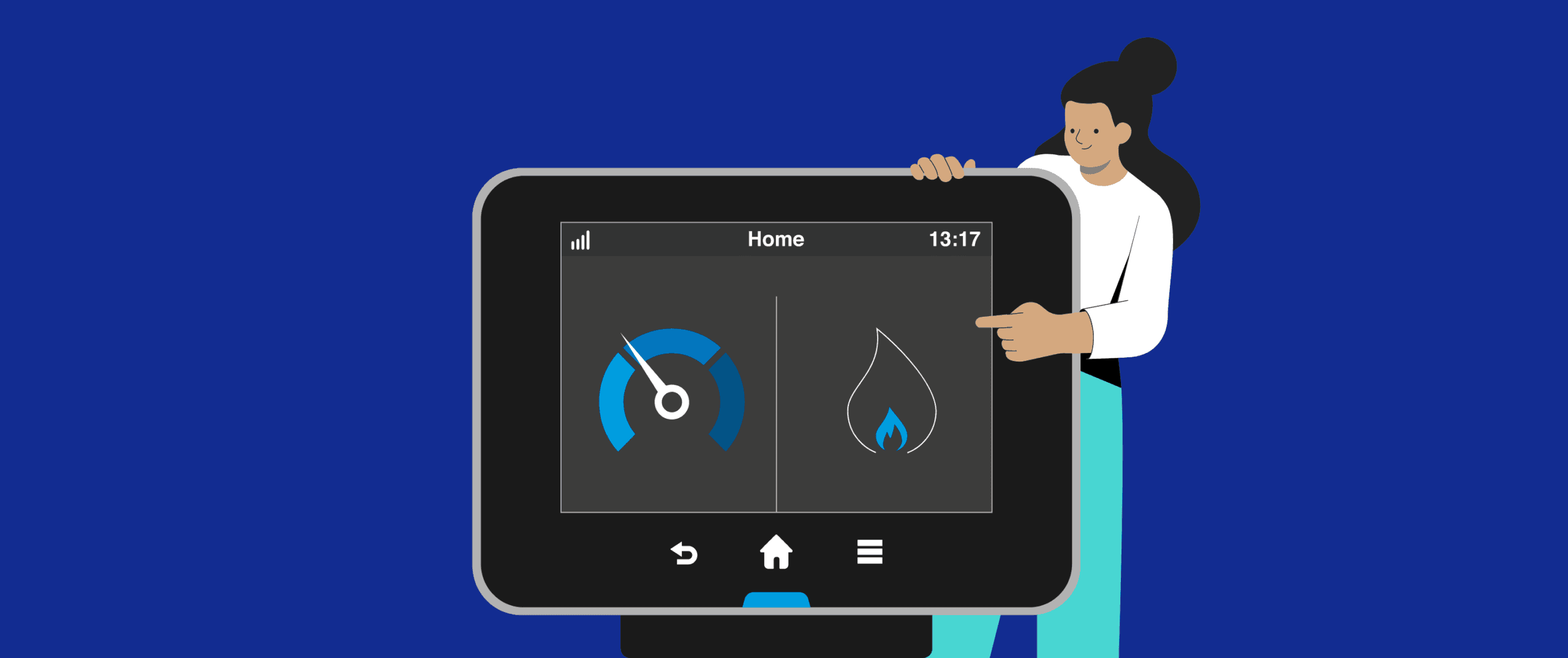
A report from the UK government’s Public Accounts Committee in October 2023 warned that an estimated seven million smart meters (out of around 32.4 million installed at March 2023) would need to be replaced because they will lose functionality when the 2G and 3G mobile communications networks are closed down.
In December 2023, Ofcom announced that the level of 5G coverage in the UK had increased to somewhere between 85 and 93%.
While a large proportion of consumers are now using 5G services, in both their work and personal lives, the problem is that smart meters are heavily reliant on 2G and 3G.
Many gas and electric advanced (or AMR) meters – which are commonly installed in large non-domestic properties – connect using the 2G network, as well as using other legacy communications networks such as Cellular Switched Data (CSD) and Public Switched Telephone Network (PSTN)
SMETS1 smart meters communicate with the underpinning infrastructure smart meter operator the Data Communications Company (DCC) via a communications hub running on 2G or 2.5G (the intermediate technology between 2G and 3G with added GPRS service). SMETS2 devices use a combination of 2G and 3G networks to communicate.
Now the networks on which they rely are being closed down.
3G is set to be switched off by the UK’s mobile network operators during the course of 2024 and 2025.
It feels counter-intuitive that 3G is being switched off first. This is because it is mostly used for data services and has been superseded in most applications by 4G. Just 3% of mobile data traffic was carried over 3G in 2023.
The switch-off of the 2G network, mainly used for voice calls and text messages, is further away. All of the networks have committed to switching them off by 2033 but it may happen sooner – EE says it will turn off its 2G network by 2030.
The PAC report warns that the “costs of these upgrades could be very significant, and, like other costs of the rollout, are ultimately passed on to billpayers“.
However, there is an element of scaremongering here, which the media has picked up on.
In fact, plans to upgrade Britain’s energy meters are already well in hand and 7 million smart meters are not going to turn dumb when these networks are closed down.
The energy industry is already working out how to ensure connectivity.
The DCC has been working on the Network Evolution Communication Hubs & Networks programme, which is designed to safeguard the smart meter network for a period of at least 15 years.
This programme intends to progressively replace the 2G and 3G connectivity in Britain’s smart meters with more up-to-date mobile technology.
In August 2023, Vodafone and DCC announced a 15-year deal in which the mobile network would develop a wide area network to connect DCC’s servers to the communication hubs that gather local messages from the meters in Britain’s homes and small businesses and sends them securely to the DCC.
It would be assumed that the devices on the smart meter network would be upgraded to the latest mobile technology available – 5G – which includes technologies such as NB-IoT and LTE-M. However, 4G – in the form of LTE – will be used for the foreseeable future because it is much more reliably available to a wider part of the UK population.
Getting this right is vital. The smart meter network is a core pillar in the government’s energy transition plans and it is one that Procode supports through its development of innovative technology that leverages that, such as the Intelligent Data Adapter (our DCC adapter) & Smart Datastream.
As well as the change from 2G and 3G, work is needed elsewhere.
The smart meter rollout has also not progressed as quickly as expected, for instance.
The Government’s original plan was to have completed rollout of smart meters to all homes and small businesses by 2019. When this proved impossible, the target was reduced to current target of 74.5% of homes and nearly 69% of small businesses to have smart meters by the end of 2025. At the end of September 2023, more than a decade after the rollout started, only 59% of all electricity and gas meters were smart.
Consumer uptake has been slower than expected. Despite an analysis by the Department for Energy Security and Net Zero which shows that a typical household with a smart meter is saving £56 on its annual energy bill through reduced energy use, some have been reluctant to go smart. It may require even greater engagement between the Government and the energy industry to make sure more consumers choose to do so, particularly in the light of the scare stories about mobile networks shutting down.
The reality is that the UK’s smart meter network is not about to go dumb. Robust plans have been put in place to move to the next generation of mobile networks, however there is a risk that needs to be acknowledged during the transition period. Procode always keeps up to date with industry changes like this, engaging with a number of stakeholders including DCC. Our customers can rest assured that our technology will keep communication channels open and keep the rich stream of data from millions of smart meters flowing.